
How to Feel Your Best at 8,369 Ft.
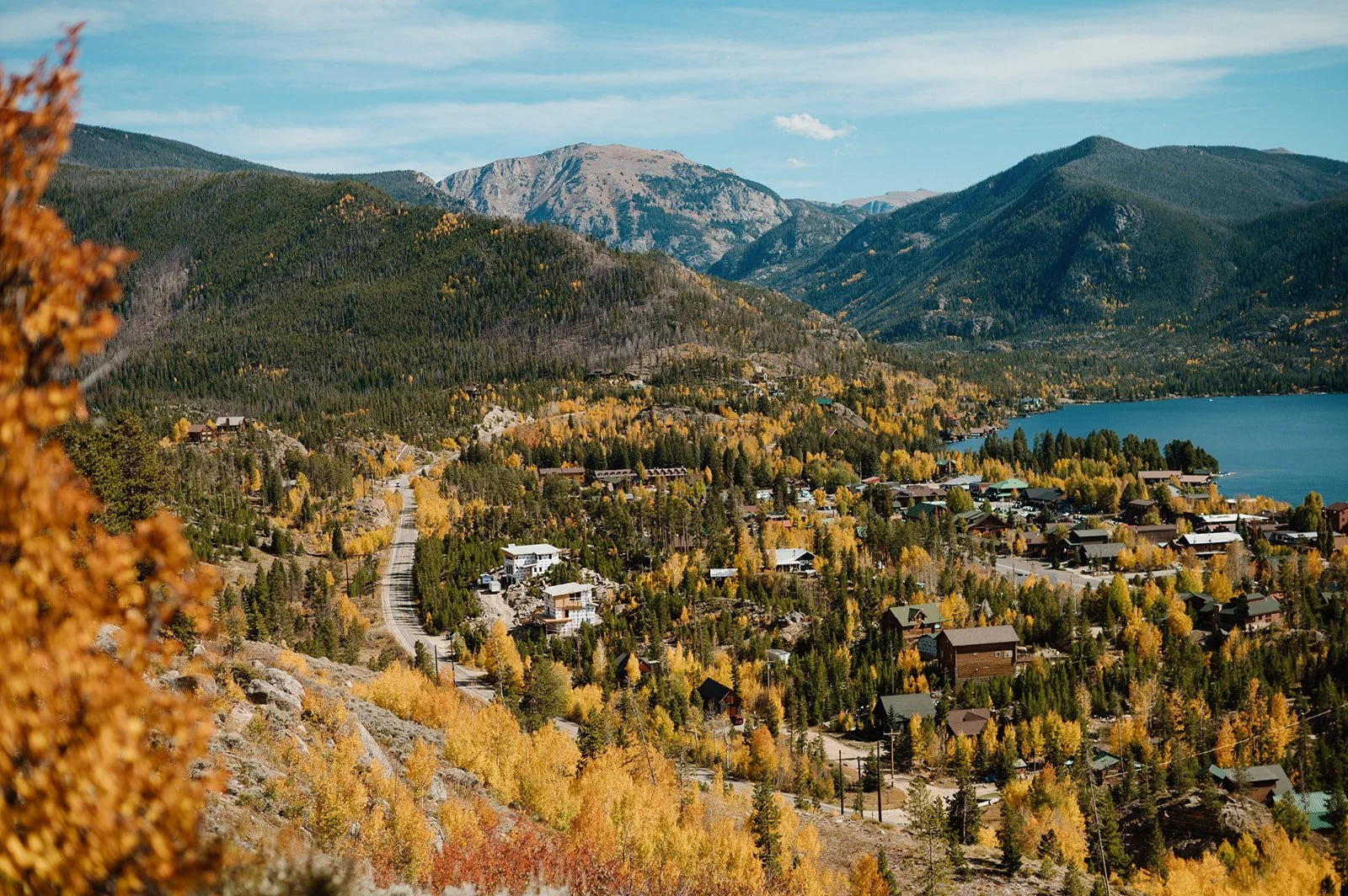
Welcome to Grand Lake, CO! One of the most beautiful spots and the perfect setting to celebrate the marriage of Kelli and Austin! We’re so glad you are here.
I'm Gabrielle, a Functional Nutrition Practitioner and proud sister-in-law of the bride. Functional nutrition is a personalized, root-cause approach to health that looks at how food, lifestyle, and environment affect how you feel. At 8,369 feet (especially if you are traveling from sea level), your environment will have a bigger impact on your body than usual. Here are a few simple tips to keep you partying all night long.
1. Stay Hydrated
At altitude your body loses water faster through just breathing alone and most people don't even realize it's happening.
Drink water before you feel thirsty
Aim for at least half your body weight in ounces of water per day (I.e. If you weigh 150 lb, aim for at least 75oz of water per day)
Drinking alcohol?
Altitude amplifies the dehydrating effects of alcohol, so a little prep goes a long way:
Alternate one glass of water between every alcoholic drink
Eat a full meal before drinking
Add electrolytes to your water throughout the day and before bed
First thing in the morning: water and electrolytes before coffee
2. Use Your ‘Fairy Dust’
That little jar in your goody bag isn't just cute, it's functional! Electrolytes are minerals your body needs to regulate fluid balance, muscle function, nerve signaling, and energy. At altitude your body burns through them faster, and alcohol depletes them further.
Start your day with electrolytes and add them to your water bottle throughout the day
Signs you need electrolytes: headache, fatigue, muscle cramps, brain fog
3. Eat More Than You Think You Need
Altitude increases your metabolic rate, meaning your body is burning more calories just existing at elevation.
Don't skip meals
Carbohydrates are actually your best friend at altitude (they are the most oxygen-efficient fuel source your body has)
Prioritize balanced meals with protein, healthy fat, and quality carbs
Snack regularly to keep energy stable
4. Protect Your Sleep
Altitude commonly disrupts sleep even in people who normally sleep well. Lower oxygen levels can cause restlessness and more frequent waking.
Include magnesium-rich foods with dinner: found in foods like almonds, pumpkin seeds, salmon, potatoes, black beans, and dark chocolate, or as a supplement
Limit screens and overhead lights before bed
Keep the room cool and dark
5. Know the Signs of Altitude Sickness
Most people adjust within 24-48 hours but it's good to know what to watch for:
Headache
Nausea
Dizziness or lightheadedness
Fatigue that feels disproportionate
Shortness of breath at rest
Feeling off and want personalized support?
If you’re personally dealing with something you want to get to the bottom of (gut, hormone, skin, fertility, allergy, metabolic issues and more) I’d love to help. Book a free strategy session with me here and let's figure out what your body needs.
Wishing you a wonderful time in the mountains celebrating Kelli and Austin!
— Gabrielle La Chapelle Kigin